1. TxDMV: the move permit
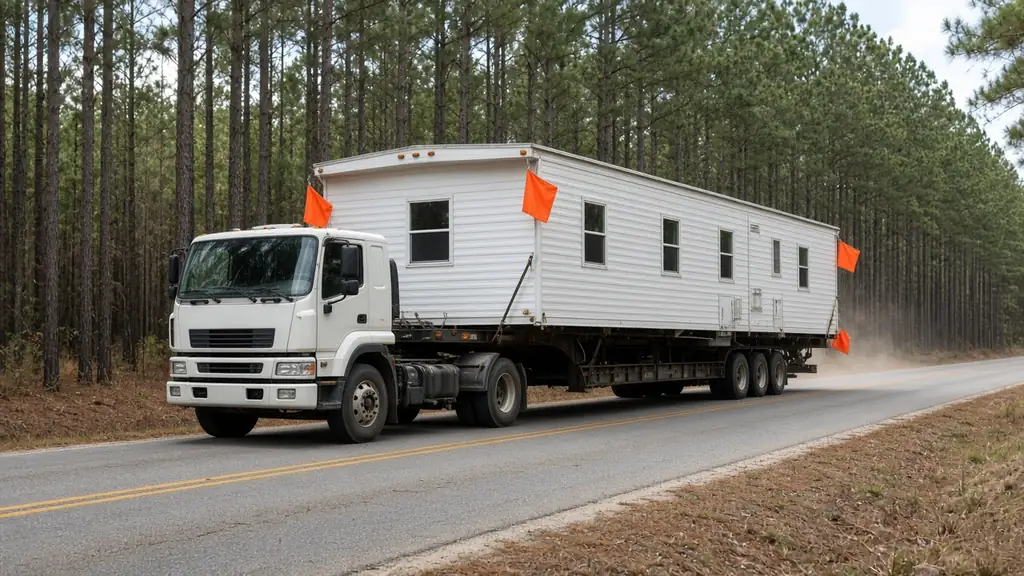
A manufactured home that exceeds legal size limits cannot travel on a Texas highway, road, or street without a permit from the Texas Department of Motor Vehicles (Transportation Code Chapter 623). TxDMV's manufactured housing single-trip permit covers one continuous move from point A to point B and is valid for five days.
- Who can get it: a manufacturer, retailer, or installer licensed by TDHCA, or a motor carrier registered with TxDMV. In limited cases an owner can get one if they own or lease the towing vehicle and meet TxDMV's insurance requirements.
- Ask for a copy. You will need it for your Statement of Ownership.
- Cities and counties may not add their own permit, bond, or fee for the move itself.
2. TDHCA: installation by a licensed installer
Under TDHCA rules (10 TAC §80.21), every used manufactured home must be installed by a licensed installer, to the standards for the wind zone where it will sit. The installer must give you TDHCA's Site Preparation Notice to sign before agreeing to move a used home, and site preparation for a used home is the owner's responsibility. The installer files an installation report (Form T) with TDHCA within seven working days so the state can inspect the installation. You cannot install the home yourself, and an uninstalled home may not be occupied.
3. TDHCA: update your Statement of Ownership
After the move, the owner applies to TDHCA for a new Statement of Ownership showing the new location, with a copy of the moving permit. TDHCA's bulletin says to submit it within 60 days of the move. Any lienholder must be paid off or give written consent to the move.
4. Property taxes
A tax lien attaches to a manufactured home each January 1 for the taxing units where it sits that day. If a past move was never permitted, TDHCA will accept a tax certificate from the county where the home used to be, showing no taxes due, in place of the old permit. If taxes are owed, they have to be paid.
5. Local permits at the new site
Most of the local work is at the destination: a development or placement permit, a septic permit if there is no sewer, floodplain rules, and a driveway culvert. In unincorporated Montgomery County, the development and septic permits are applied for together; in a floodplain, the home must sit at least two feet above base flood elevation. See our homesite prep checklist and the page for your town under service areas.
Sources
- TxDMV, Oversize/Overweight Permits (manufactured housing single-trip permit)
- TDHCA, Frequently Asked Questions: Statement of Ownership
- TDHCA Manufactured Housing Division bulletin, "Relocating a Manufactured Home"
- 10 Texas Administrative Code §80.21, Requirements for the Installation of Manufactured Homes
- Montgomery County Environmental Health, mobile home and septic permitting pages
This guide is general information, not legal advice. Confirm current requirements with each agency.
Get a free mobile home moving quote
Tell us about the home and where it is going. Independent local movers will contact you with a quote.